
Event Recap: What Business Leaders Can Learn from Top Athletes
Afke van de Wouw | 15 January 2026 | Karstens, Melbourne
In today’s business environment, leaders are expected to perform under constant pressure, manage uncertainty and deliver results, often without sufficient time to recover or reflect.
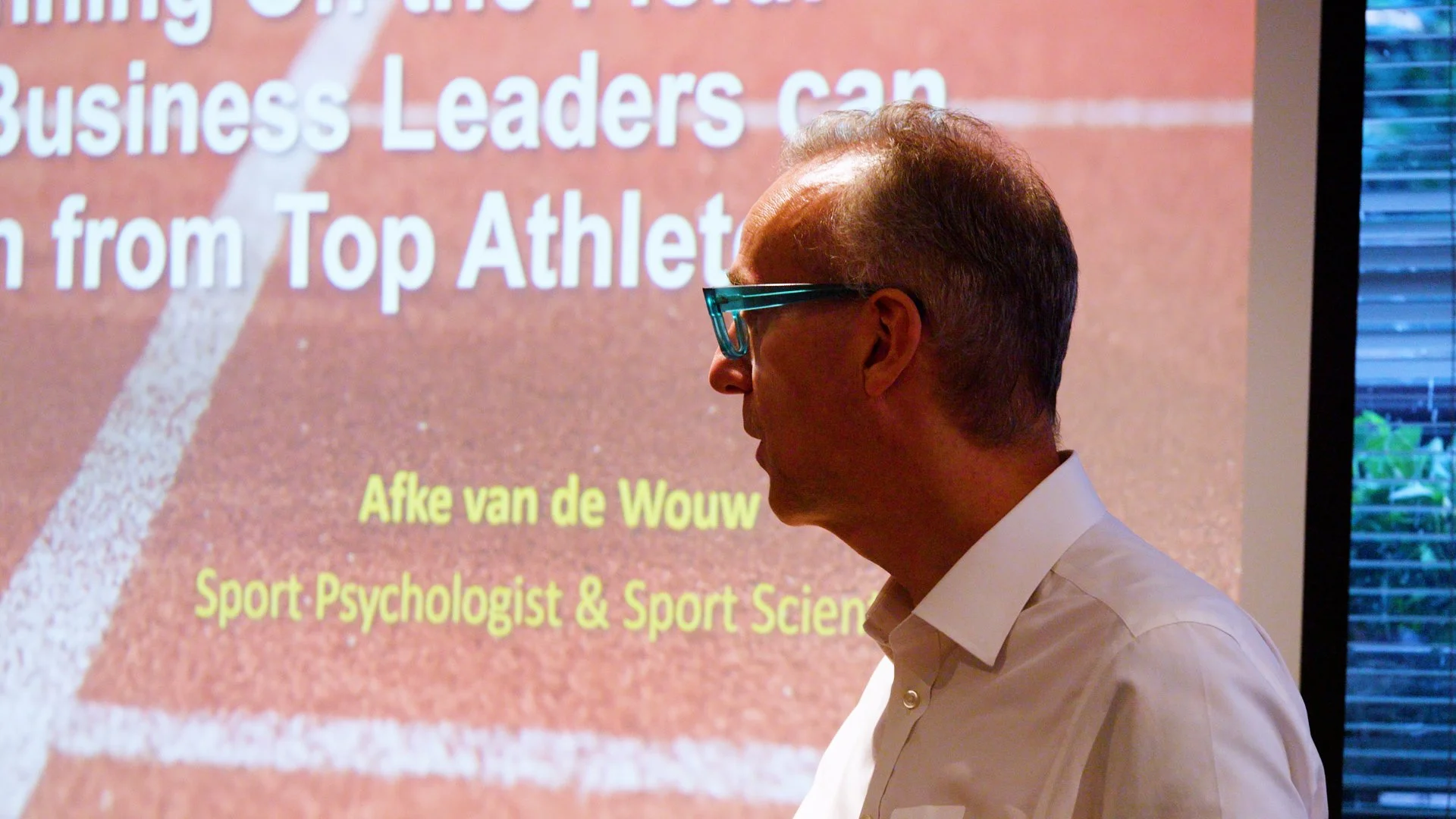
This Thursday, at the NCCA New Years’ Networking Drinks, sport psychologist and sport scientist Afke van de Wouw offered a valuable perspective from elite sport, drawing clear parallels between top athletic performance and leadership in business. Her central framework, Plan, Prepare, Perform, Pause & Process, is widely used in high-performance sport and offers practical guidance for business leaders who want to perform at a high level in a sustainable way.
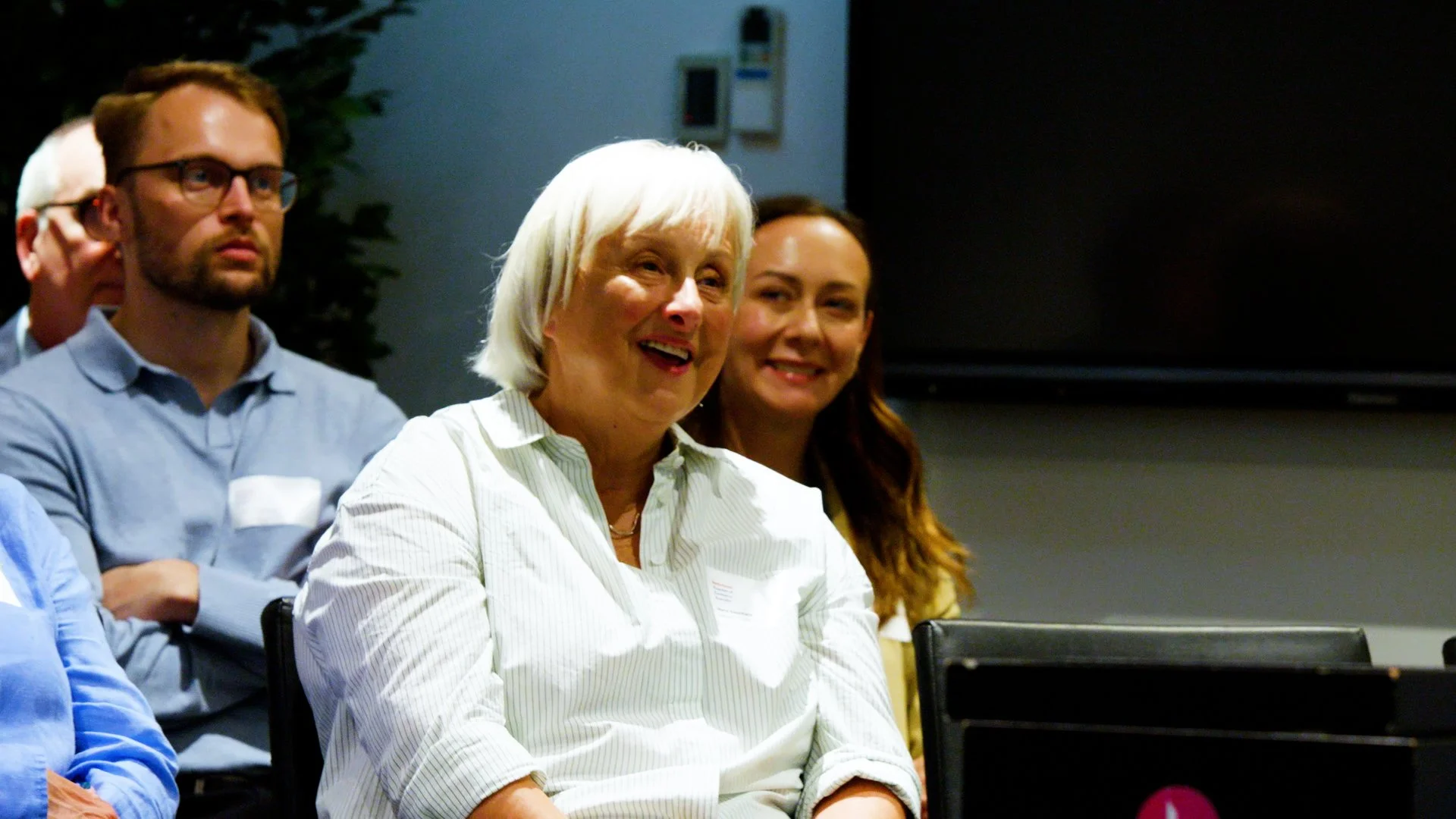
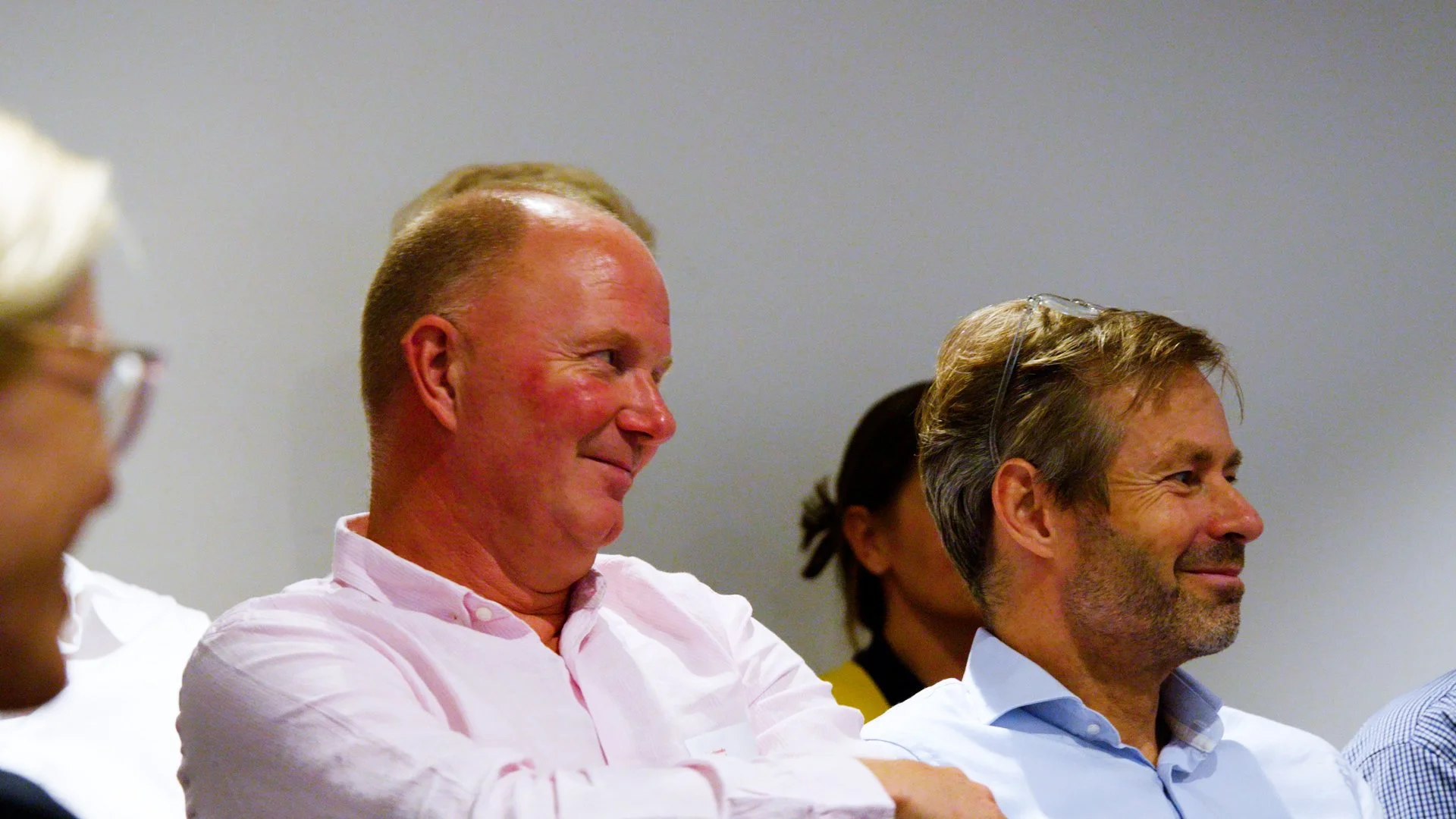
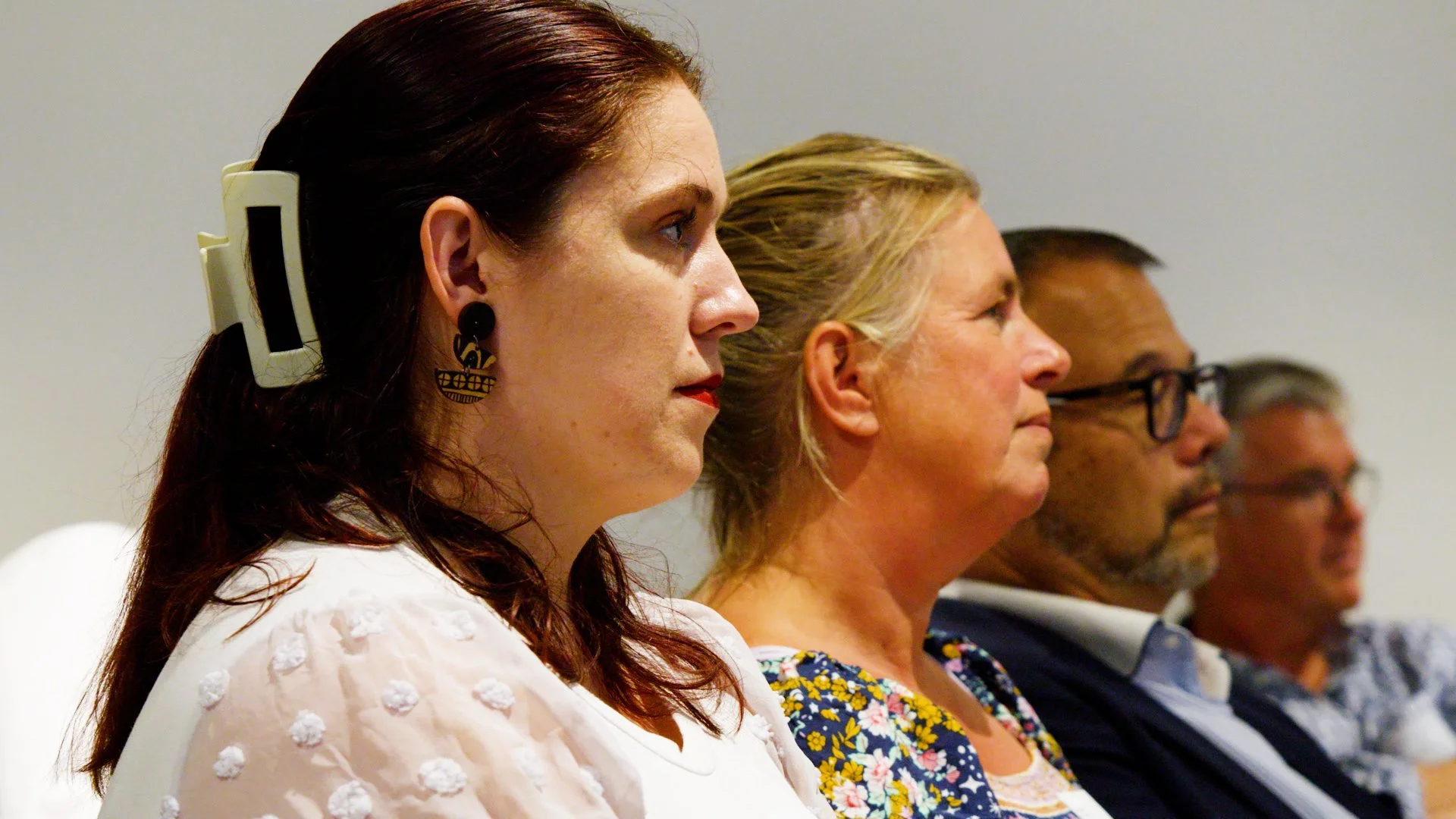
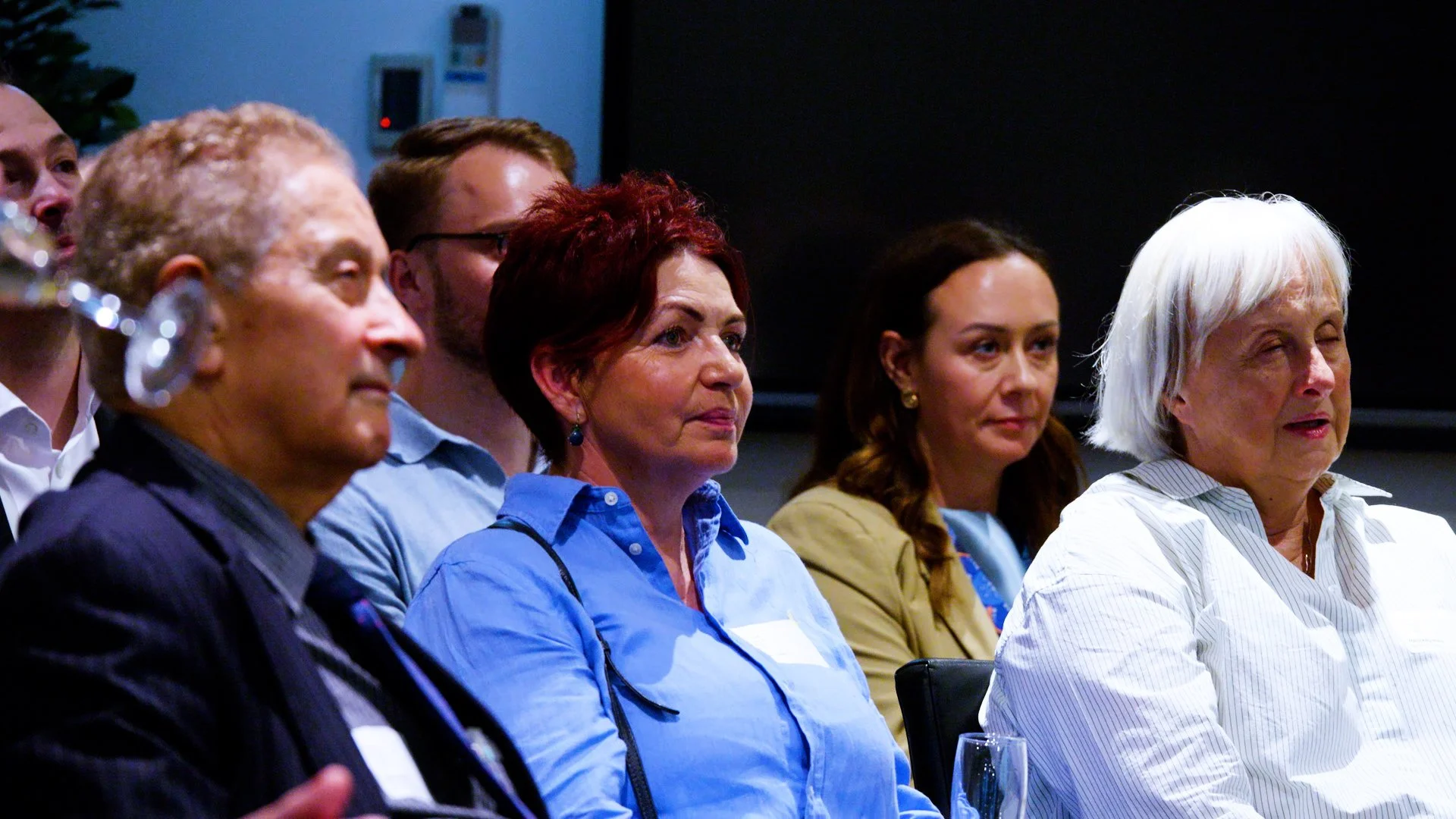
Afke connects with the audience through an interactive and energetic exchange, inviting questions and sparking meaningful conversation around high performance and leadership.
Plan: “Champions Plan Their Work and Work Their Plan”
In elite sport, performance always starts with a clear plan. Athletes do not simply train harder; they train with purpose. Athletes begin by defining clear goals, often using SMART principles. These goals are broken down into long-term ambitions and short-term objectives, for the season, the month, the week, and even a single training session. Progress is reviewed regularly and plans are adjusted where needed.
Afke highlighted that planning is not only about ambition, but also about realistic time management. Athletes carefully structure their time, balancing training, competition, work or study and recovery. “Good time management means being intentional, not just busy.” For business leaders, this means prioritising what truly matters, setting boundaries and consciously planning time for recovery, not as an afterthought, but as part of performance strategy.
Prepare: “Failing to Prepare Is Preparing to Fail”
Preparation goes beyond skills and knowledge. In elite sport, understanding the human side of performance is essential. “You need to understand players as humans before you can help them as athletes.”
Afke explained how coaches invest time in understanding personalities, communication styles and preferences within their teams. Misalignment often occurs not because of lack of capability, but because people communicate and process information differently. This insight is highly relevant in business environments where diverse teams, leadership styles and cultural differences are the norm. Leaders who take time to understand how their people think, communicate and respond under pressure are better equipped to lead effectively.
Another important preparation tool is visualisation. Athletes mentally rehearse scenarios they are likely to face, including setbacks and pressure moments. “What the mind can picture, the body can perform.” For business leaders, visualisation can support preparation for presentations, negotiations, decision-making under pressure or challenging conversations.
Afke also emphasised the importance of controlling the controllables. Athletes focus their energy on what they can influence and let go of what they cannot. “Accept the things you cannot change, change the things you can, and know the difference.” This principle helps conserve energy and improve focus, particularly relevant in complex business environments where not everything is within one’s control.
Perform: Focus and Communication Under Pressure
When it comes to performance, Afke highlighted three core elements: concentration, communication and learning to deal with discomfort. Using the concept of circles of attention, she explained that performance is strongest when focus is on “me and my task”. Distractions, whether mistakes, external noise or thoughts about outcomes, pull attention away from effective action.
“The skill is not avoiding distraction, but recognising it early and returning focus to the task. ”
Communication also plays a critical role. Afke stressed the importance of self-talk during performance. “Be careful what you say to yourself, you’re listening.”Negative self-talk can undermine confidence and decision-making. High performers learn to tell the brain what to do, rather than what not to do. Tone of voice and body language, she noted, often communicate more than words themselves.
Finally, Afke addressed the importance of getting comfortable with the uncomfortable. Pressure, doubt and uncertainty are part of high performance, in sport and in leadership. These feelings do not disappear at senior levels. The difference lies in how people respond to them. If you train yourself by searching for something which is uncomfortable every day, you're getting more used to uncomfortable situations.
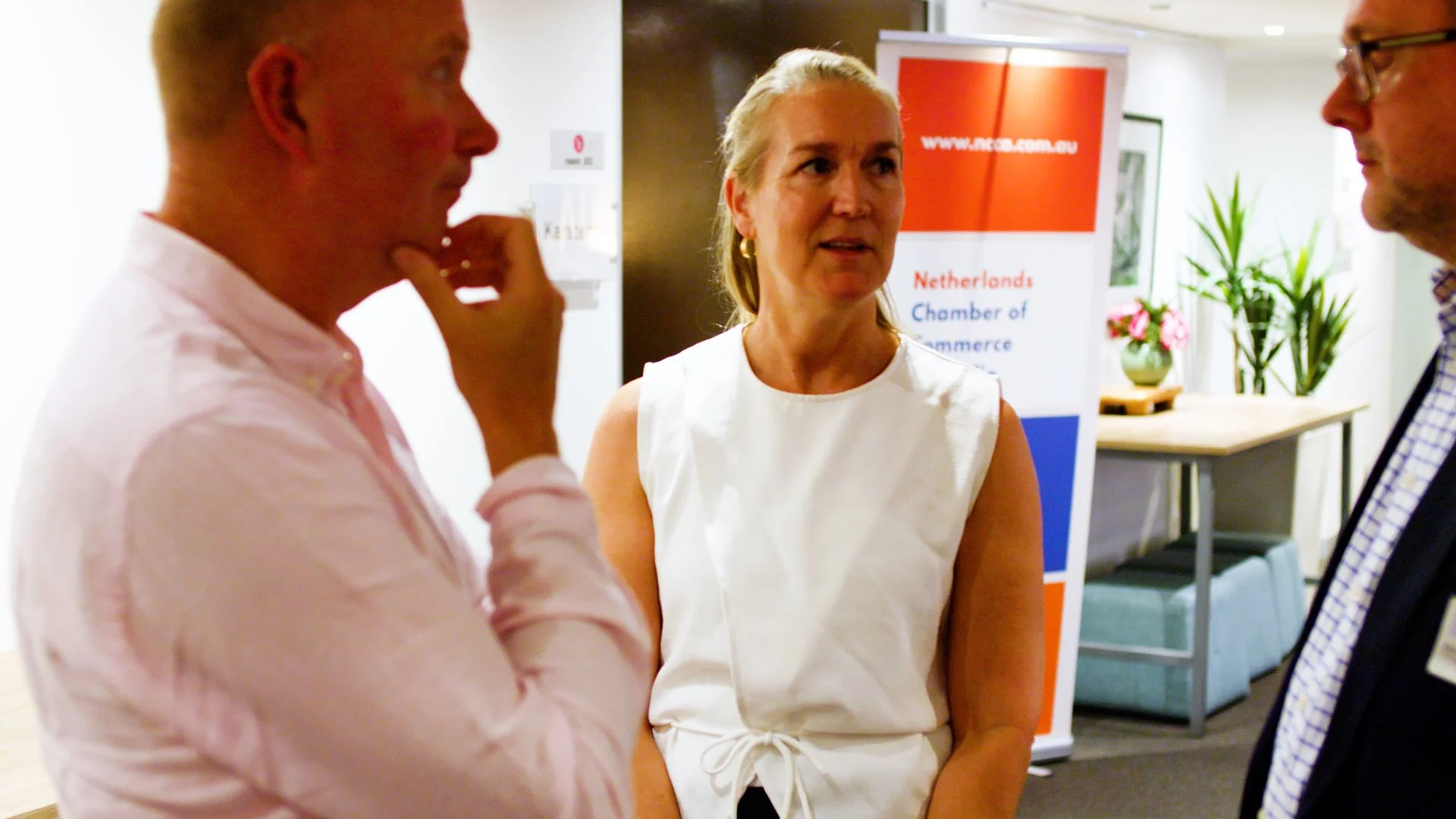

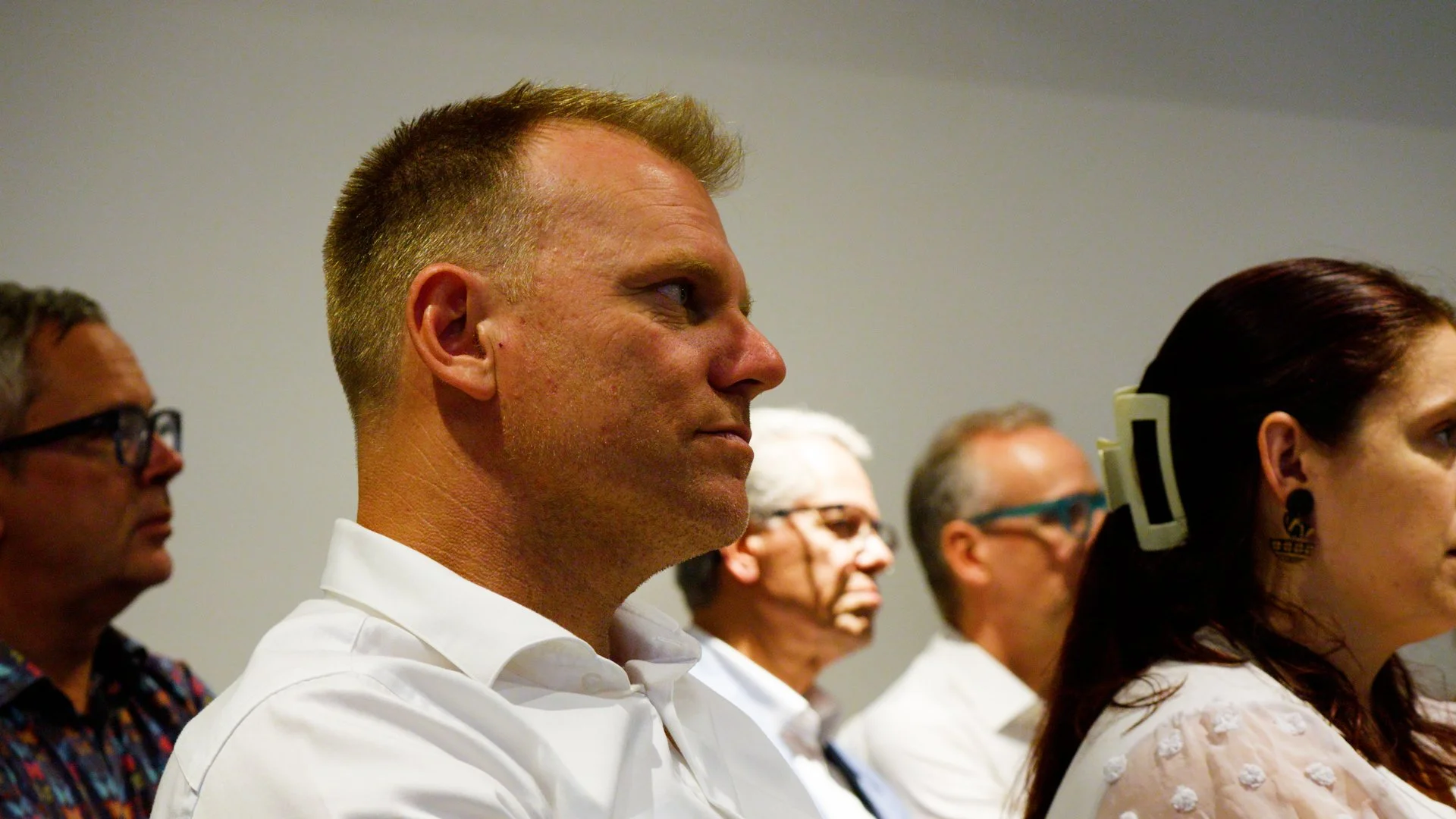

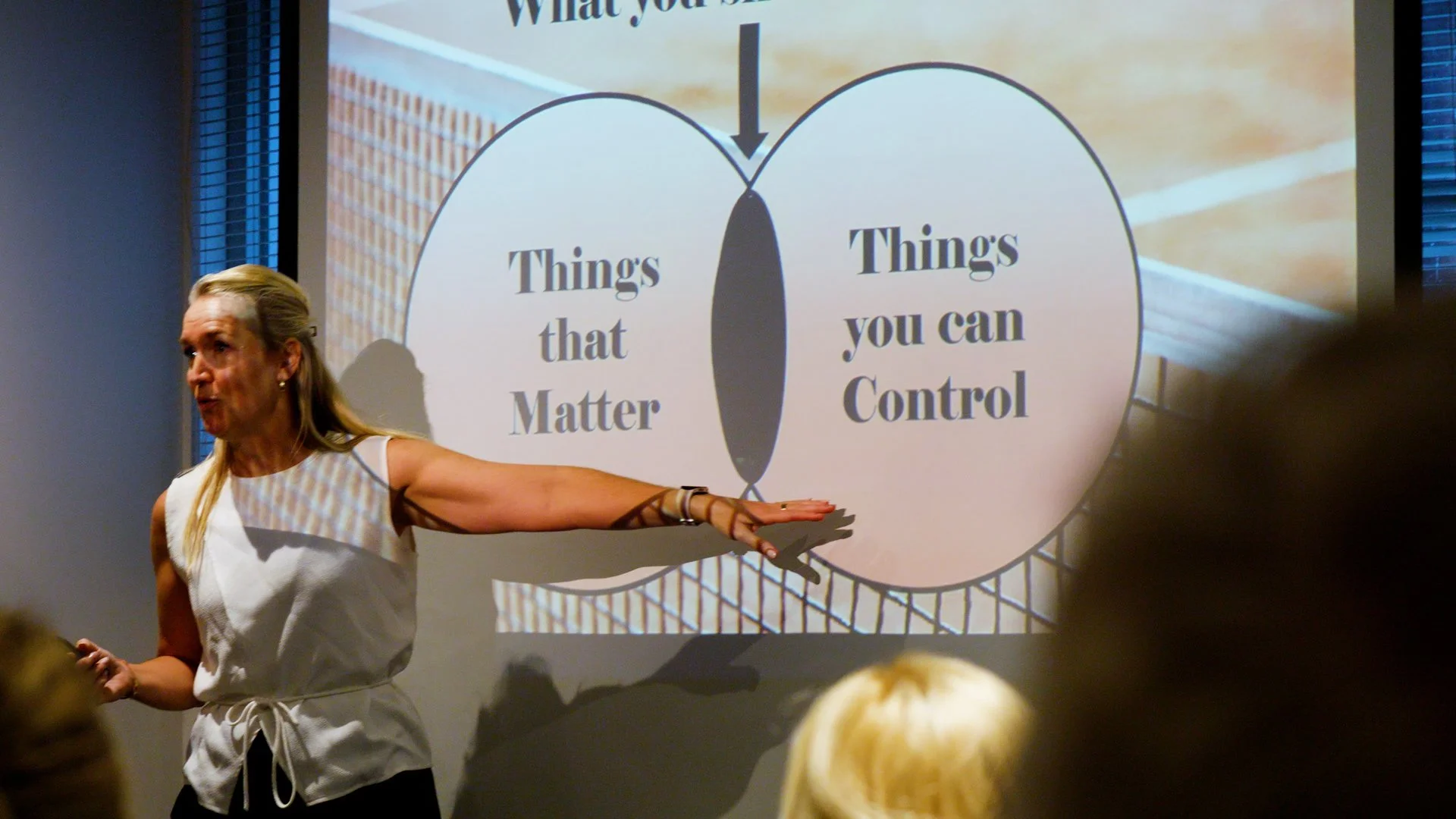
Photography courtesy of Hunting with Pixels
Pause & Process: “Without recovery, there is no growth.”
One of the strongest messages for business leaders was the importance of recovery. Afke used the supercompensation model to explain how performance improves only when effort is followed by sufficient recovery. Without it, people move towards under-recovery, reduced performance and eventually burnout. This applies not only to physical energy, but also to mental capacity. Recovery, She emphasised, is training in itself. It includes quality sleep, mental downtime, reflection, mindfulness, digital detox and social connection. Equally important is processing. Athletes reflect on performance, discuss what worked and what didn’t, write things down and then consciously let go. They talk with outsiders, from different disciplines. By engaging with outsiders, professionals from different sectors, creative fields, or areas of expertise, new ideas and approaches can emerge that would otherwise remain unseen.
Lessons for Business Leaders
The challenges faced by elite athletes and business leaders are remarkably similar: pressure, expectations, limited energy and the need to perform consistently over time. The framework Afke shared, offers a practical and sustainable approach to leadership performance:
Plan with clarity and intention
Prepare by understanding yourself and others
Perform with focus and effective communication
Pause & Process to recover and grow
Top athletes don’t just train harder. They train smarter. For business professionals, the question is not whether these principles apply, but how they choose to apply them in their own leadership, teams and organisations.
About Afke van de Wouw: From an early age, Afke has been fascinated by people and what drives them. She combines expertise in physiotherapy, sport psychology, and sport science to guide athletes, coaches, and teams toward optimal performance. Afke works effectively in multidisciplinary teams and also offers individual coaching from her practice. She is an experienced Performance Coach with extensive experience in football, field hockey, cycling, handball, and tennis, and is the (co)author of Leren Presteren and Leren Revalideren.

We’re grateful to our sponsors Karstens, Chalmers, and Urban Rest, for their support.
Want to be part of the next NCCA event with inspiring speakers, engaging discussions, and meaningful networking?
Join the NCCA, subscribe to stay updated, or sign up to secure your spot, connect with like-minded professionals and be part of Melbourne’s vibrant Dutch business community. Don’t miss the opportunity to learn, share, and grow together!
