
In Conversation: Melbourne at the Heart of the Victorian–Dutch Trade Relationship
In conversation with Dai Andrew Forterre PhD
Chief Representative, Netherlands Business Support Office
Series introduction
In Conversation: Leaders Shaping Victorian–Dutch Trade is an editorial series by the Netherlands Chamber of Commerce Australia (NCCA) exploring how the economic relationship between Victoria and the Netherlands is evolving in a changing global context. Through reflections from diplomats, government representatives, trade commissioners, and industry leaders, the series examines where collaboration is deepening, how partnerships are being shaped, and what this means for businesses operating across both markets.
This first article opens the series with reflections from Dai Andrew Forterre PhD, Chief Representative of the Netherlands Business Support Office in Melbourne, marking both the first year of the NBSO and a broader moment in the Victorian–Dutch trade relationship.
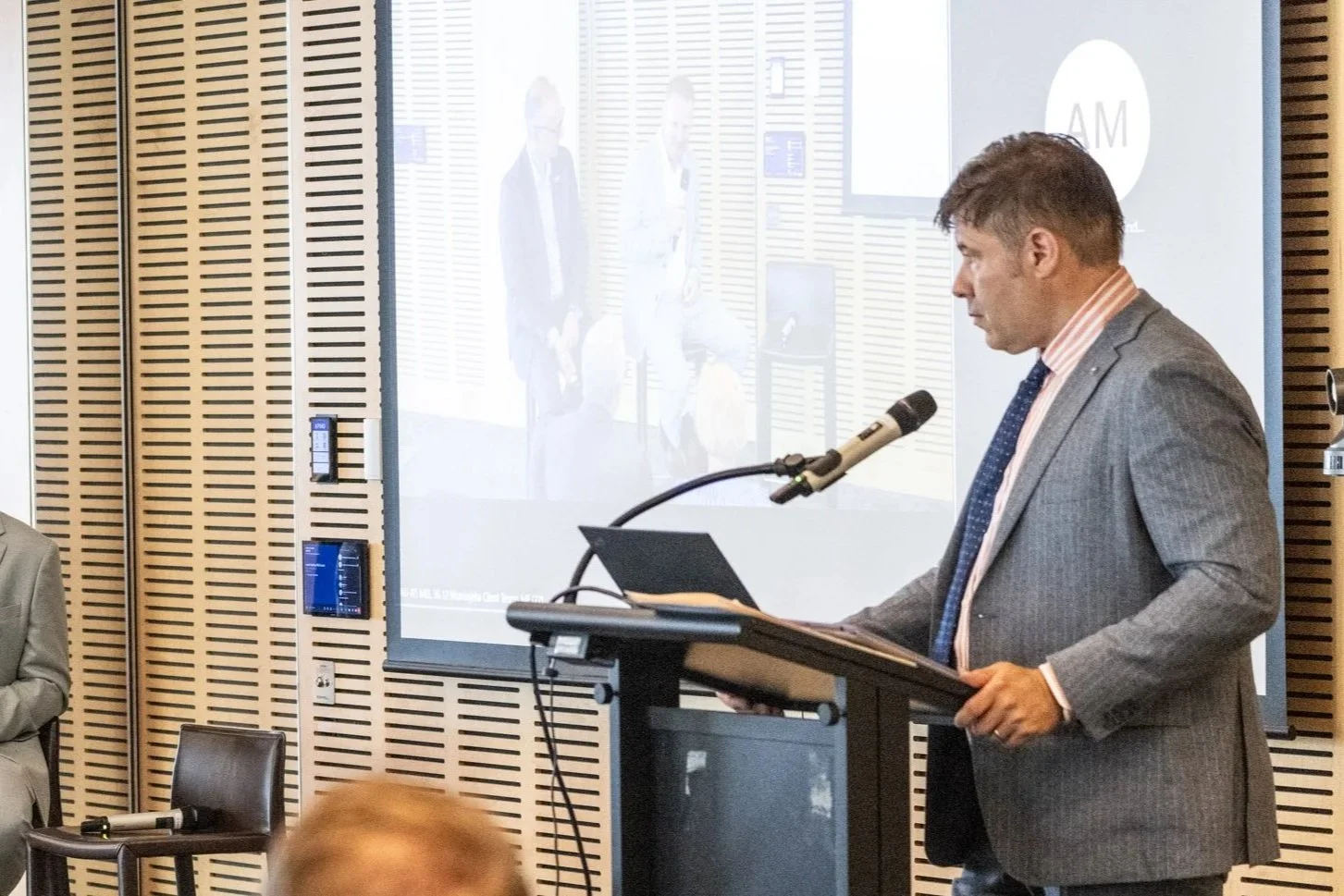
Dai Andrew Forterre PhD at the official opening of NBSO Melbourne in partnership with the NCCA
About Dai Andrew Forterre PhD
Dai Andrew Forterre PhD is Chief Representative of the Netherlands Business Support Office in Melbourne, where he leads efforts to strengthen trade, innovation, and sustainability ties between the Netherlands and Australia, with a particular focus on Victoria. He brings extensive international experience across government, academia, and industry, with a strong emphasis on innovation-driven collaboration, sustainable development, and cross-border partnerships. Since the establishment of the NBSO in Melbourne, Dai has worked closely with stakeholders across government, business, and the local community to support Dutch companies entering or expanding in the Australian market.
Opening a new chapter in partnership
It is a great pleasure and privilege to open this discussion series exploring how Australia and the Netherlands work together and move forward as true partners and friends.
In January 2025, the Netherlands Business Support Office launched in Melbourne. This milestone was the result of perseverance and a shared vision of many in Victoria and the Netherlands. During the first twelve months, much has been set in motion with the indispensable help of friends and partners from government, business, and the local community.
Since its launch, the office has become a small cog in an expanding, dynamic trade relationship between Australia and the Netherlands, with Victoria and Melbourne as key drivers. As we enter year two of the NBSO, I want to focus on why Melbourne and Victoria are central to the growing economic partnership between our countries.
Global uncertainty and trusted partnerships
From a global perspective, international trade faces many forms of uncertainty. Uncertainty often triggers fundamental reflexes.
For one, we see that countries and businesses actively attempt to reduce volatility and dependencies by diversifying markets. Moreover, middle powers, to use some jargon, such as Australia and the Netherlands, will actively seek to establish or rekindle friendships with like-minded, often complementary partners.
We see entrepreneurs show energetic interest in both markets, both for their merit and as launch pads for regional growth. There is a growing mutual appreciation for Australia and the Netherlands as reliable, stable, and open-minded economies and societies that provide robust access to their respective economic hinterlands.
“ There is a growing mutual appreciation for Australia and the Netherlands as reliable, stable, and open-minded economies and societies that provide robust access to their respective economic hinterlands.”
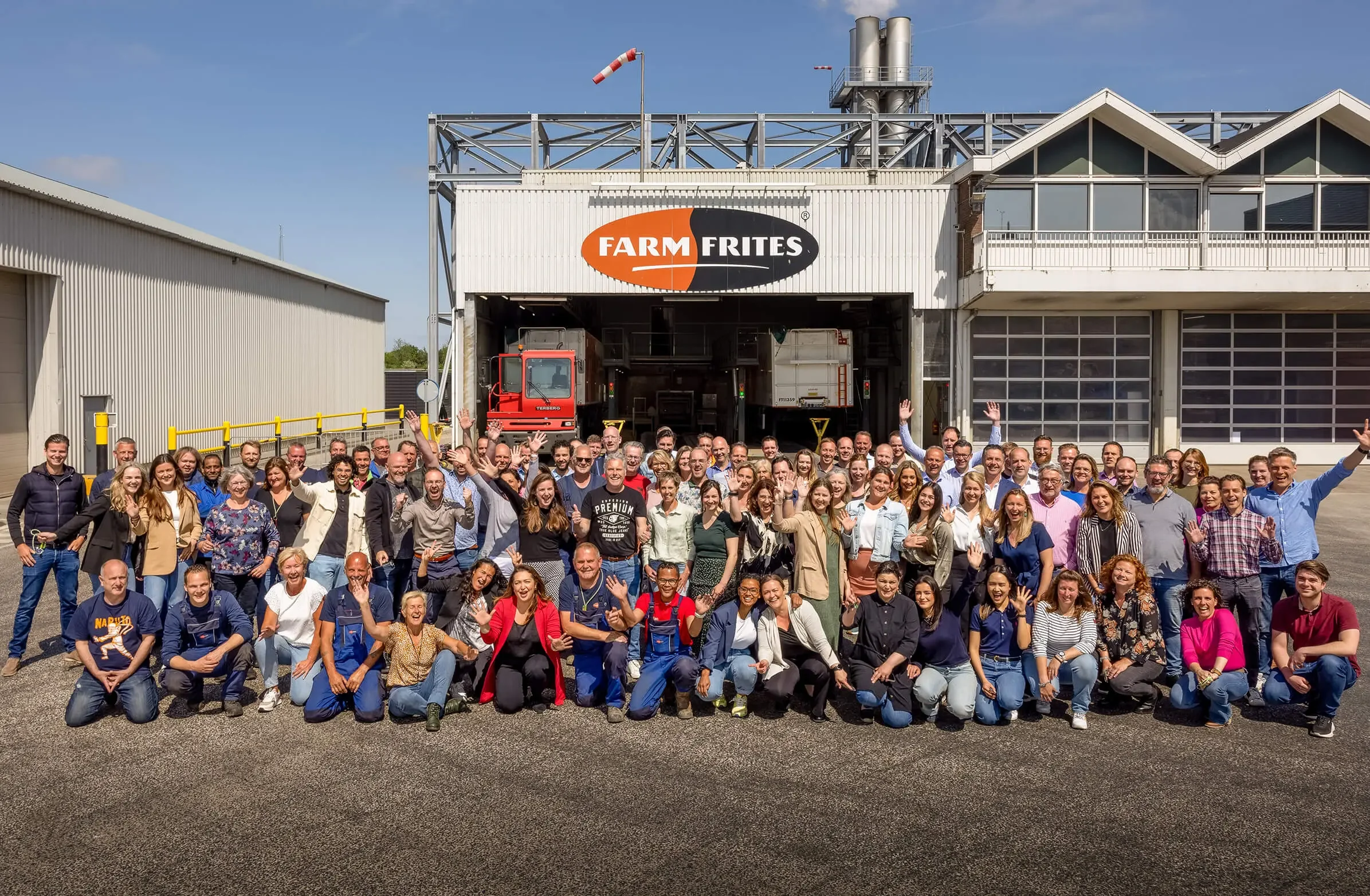
Dutch food giant Farm Frites to invest $300 million in Victoria for new APAC headquarters and manufacturing facility → Link
Victoria and Melbourne in the Indo-Pacific
From a regional perspective, we observe that Victoria and Melbourne play an ever more prominent role in the Indo-Pacific.
Based on Victoria’s relationship with ASEAN alone, we can see that Victoria is a significant food and tourism hub, and Melbourne is a true regional centre for services, research, medical sciences, culture, sports, and tertiary education. We believe that this prominence and its related regional economic integration will only deepen and create further opportunities, including for Dutch business.
Innovation, competitiveness, and sustainability
When we land at the local level, the first year confirms that there is a shared ambition to drive innovation to maintain living standards and improve competitiveness, combined with the continued need and commitment to sustainability.
After 2025, we can say that Dutch and Australian entrepreneurs are often highly complementary in skills, outlook, and culture when it comes to innovation of capabilities, business models, products, and services. We see similar commercially successful collaborations based on the principle of doing more with less through decarbonisation, improved resource efficiency, nature-based solutions, and smarter ways of working.
Victoria and Melbourne lead sustainable innovation across key sectors in Australia and the region, including food, waste, building and construction, sports, and textiles.
Looking ahead
I am therefore confident we have only just begun this promising collective journey.
Over the coming period, other experts will provide their insights on different aspects of the fascinating and ever-developing Dutch–Australian relationship, whilst our office remains deeply committed to fostering these opportunities and supporting further collaboration. Together, we are poised to build an even stronger partnership in the years ahead.
This article forms part of the NCCA’s In Conversation: Leaders Shaping Victorian–Dutch Trade series, highlighting the perspectives of those shaping the future of trade, investment, and collaboration between Victoria and the Netherlands.
